

Understanding Vacation Accruals: Employer & Employee Rights

Accrued vacation grows as an employee works and cannot be taken away, even if they leave their job. A PTO calculator works by taking into account the accrual rate, accrual period, and other variables to determine the amount of PTO earned by each employee. It’s essential to choose the correct accrual rate per cycle, as it affects the calculation of employee PTO balances. The average worker receives 10 paid sick days and 10 paid vacation days per year, according to the Bureau of Labor Statistics. Managing vacation accrual gets tricky fast, especially with distributed teams across different countries and labor laws. Carryover policies are a crucial aspect of employer liability and policies.
PTO Payout Laws by State in 2026
Accrued leave refers to the unused paid time off (PTO) that employees accumulate, including various types such as vacation leave, sick leave, personal leave, bereavement leave, and holidays. Typically, employees are allocated a specific amount of PTO to utilize within a calendar year. A PTO calculator helps translate your vacation pay policy into clear, trackable numbers.
Are there differences in vacation accrual policies for remote or international employees?
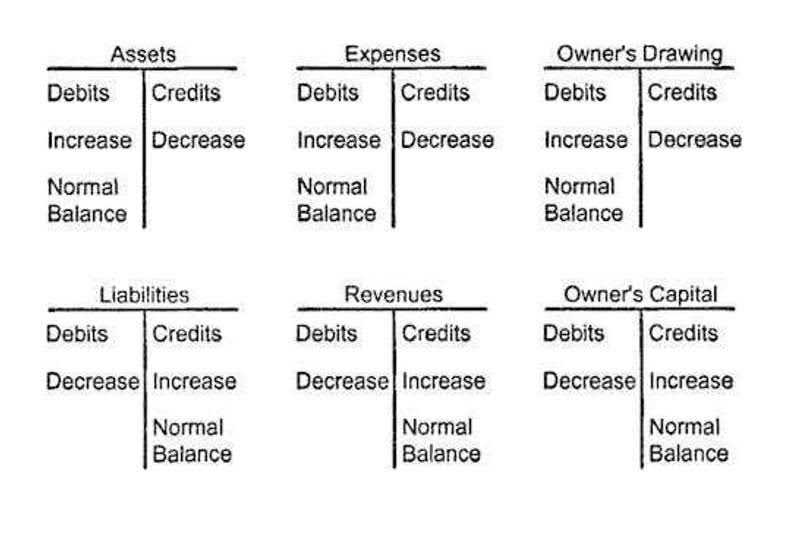
After an employee uses or cashes out vacation time, you will create a journal entry by debiting your Vacation Payable account and crediting the Cash Account. ASC accrued vacation 710 does not offer clear directions on the accounting for medical, insurance, and non-monetary compensation plans. However, an employer may adopt the same policy for these compensations as per guidelines of ASC 710 for other types of leaves.
The Ultimate Guide to Canadian Year-End Payroll
You’ll also need to consider part-time employees, who earn vacation time differently than full-time employees. Prorating vacation time means allocating it to employees in line with the portion of time they’ve worked in a company. Calculating https://houstonstevenson.com/2024/06/04/operating-cycle-learn-how-to-calculate-the/ and tracking vacation accruals can be a bit complex, but it’s essential to get it right to avoid any errors or disputes with employees.

To ensure you roll over or cash out the correct accrual amounts, you need to know how to calculate accrued time off. You don’t need a PTO accrual calculator, but you do need to know the process. The employee might be able to decide whether they want to roll over time off, cash it out, or do a mix of the two options. And when an employee leaves your business, you may need to pay out accrued time off and include it in their final pay. An employee’s contract will largely dictate the accounting treatment of the deferred compensation plan. The accrual of the plan amount Foreign Currency Translation should be attributed all over the employee’s service tenure until contract terms are fully met.
- This directly affects how you calculate and record your accrued vacation liability.
- Improper handling of unused vacation days commonly results in retroactive payments, penalties, and adverse outcomes during labor inspections or disputes under Mexican labor law.
- However, not every employee takes this vacation at the time it comes up.
- This resource on taxes for vacation payouts offers a helpful breakdown of the different tax considerations, including how supplementary income tax rates might apply.
- When organizations give back to their communities, employees feel more connected, more motivated, and more proud of where they work.
To create a journal entry for this transaction, credit cash account, and debit vacation payable account. It ensures your financial statements (specifically, your balance sheet and income statement) accurately reflect your company’s liabilities and expenses. This is crucial for informed financial decision-making, securing loans, and attracting investors. Beyond the financial implications, proper accrual also helps maintain positive employee relations by ensuring they receive the correct amount of paid time off.

signs your payroll system is holding you back.
- Others bundle PTO and allow employees to take time off for any reason (also known as a yearly PTO bank).
- Some policies allow for a partial buyout where an employee trades forty hours for cash while keeping a minimum balance of forty hours in their bank.
- These tools simplify calculations, reduce the risk of errors, and free up your time for more strategic tasks.
- Create a documentation system that captures the complete PTO lifecycle, including time-stamped requests, manager approvals, current balances, usage history, and carryover tracking.
- Understanding these requirements helps ensure that workers receive the full value of the benefits they have earned through their labor.
Accrued PTO, in contrast, requires employees to earn their time off incrementally throughout the year. Unlimited PTO gives employees more flexibility and is easier to administer than accrual-based PTO. However, it may not be right for every business due to the risks of employee underperformance and inadequate staff coverage. ADP’s cloud-based time tracking and scheduling tool can help control costs, as well as help improve compliance and productivity. Employers who fail to comply with state PTO payout requirements face significant financial and legal consequences.
- They might establish an early deadline for submitting PTO requests or designate blocked period periods, during which PTO is not allowed (to the extent permitted by state and local laws).
- Managing vacation accruals isn’t just about keeping track of numbers, it’s about creating a workplace that values balance, fairness, and well-being.
- The amount of the increase is calculated by multiplying the number of hours of accrued vacation time by the incremental amount of the pay raise.
- For help streamlining your financial reporting, consider FinOptimal’s managed accounting services.
- To maintain balance in the accounting books of the business, an accrued vacation should be recorded in the journal.
- This documentation should specify any requirements for using accrued vacation time before transitioning.
- In this detailed guide, we’ll unpack everything you need to know about vacation accrual, including how it works, how to calculate it, and how to track it.
PTO accrual is a type of personal time off policy that allows employees to earn paid time off based on a specific timespan. By recording accrued vacation, ABC Corp ensures that its financial statements accurately reflect its financial obligations and the expenses incurred during the accounting period. To adjust the vacation accrual, a journal entry is made, crediting Vacation Payable for the increased liability and debiting Vacation Expense for the same amount. This ensures that the company accurately reflects the increased vacation pay liability. Raises are calculated using an employee’s most recent pay rate, so if an employee’s pay rate increases, their accrued vacation pay will also increase. For example, if John Smith’s hourly rate increases from $30 to $35, his accrued vacation amount will increase by $300 (60 hours x $5 per hour).
Aligning with Pay Periods and Fiscal Years
- There are different formulas for salaried employees, who earn vacation accrual for every certain number of days worked.
- Reliable automation is key, and systems like PTO Genius can provide instant and trustworthy accruals.
- When vacation is granted in Mexico, the employer has strict payment obligations tied to both salary and the statutory vacation bonus.
- However, without such a policy in place, employers have no obligation to compensate departing employees for their unused time off.
Some employers put limits on how much accrued time off an employee can roll over or cash out at the end of the year. Establish a sick or vacation accrual policy in your employee handbook. Include things like how much paid time off employees earn and what employees can do with accrued time off.
Uniformed Service
People often use the terms “vacation accrual” and “PTO” interchangeably, but they’re not always the same thing. Now that vacation accrual has been explained, let’s explore how it aligns with Canadian regulations and guidelines. Even the most productive and engaged employees benefit from some time away from the workplace. Letting your employees accrue time off rewards them for their hard work and motivates them to show up and perform.